
Bedford, TX · Pipe Replacement
Whole-House Repiping in Bedford, TX: Pinhole Leaks, Rusty Water and Aging Galvanized Lines
A third pinhole leak in a year, brown water from every tap, or a shower that barely trickles points to pipe that is failing throughout the house rather than in one spot. At that point patching stops being the answer. Whole-house repiping replaces the water supply lines throughout the home, usually with PEX, so leaks stop turning up one wall at a time. Call us, describe what the pipes have been doing, and we will explain whether a repair or a full repipe fits your house.


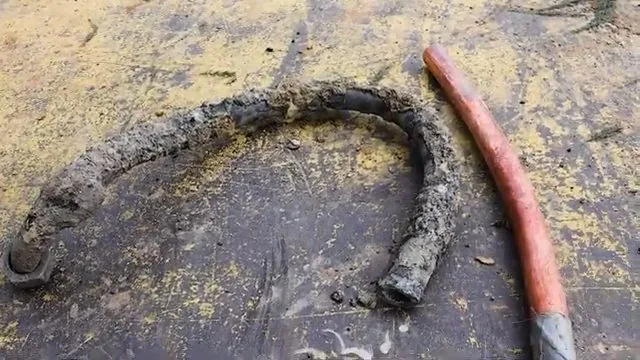
Signs the Whole House Needs New Pipes, Not Another Patch
One leak is a repair. A pattern of leaks is a repipe decision. These signs point to supply lines that are failing throughout the house rather than in one place:
- A second or third pinhole leak in copper pipe within a year or two
- Brown or rust-colored water when a tap has not run for a few hours
- Pressure that has dropped at several fixtures, not just one
- Galvanized steel pipe with rust weeping at the joints, or gray plastic pipe of unknown age
- Repeated plumber visits that each fix one spot and miss the next
Ceiling stains in more than one room, walls that stay damp after a repair and a water bill that keeps climbing fit the same pattern. If what you have is a single failed line, repairing a single burst line is the faster path. A repipe is for the house where one failure keeps leading to the next.
Pinhole Leaks in Copper Pipe That Keep Coming Back
Copper can last for decades, but pinhole leaks usually start on the inside of the pipe, where the metal thins long before anything shows on the outside. Fixing one pinhole leaves the thin metal around it in place, and the next failure often arrives within months rather than years. When a pipe is pitted along its length, cutting out one section only moves the leak somewhere else.
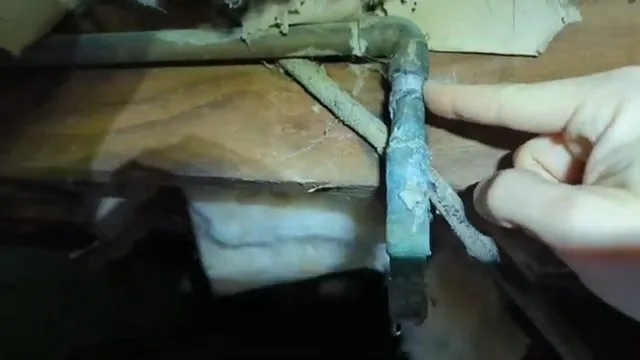
Finding the leak is a separate job from replacing the line. When water is showing up and you cannot tell where it starts, pinpointing the hidden leak first tells you whether one branch or the whole system is the problem. A plumber should be willing to show you a cut-out section of the failing pipe, so the decision rests on what the pipe actually looks like inside.
Galvanized Steel and Gray Plastic Pipe in Older Bedford Homes
Bedford's housing boom ran through the 1960s, 1970s and 1980s, and a lot of the original plumbing is still behind the walls. Homes from the early part of that run may still have galvanized steel supply pipe, which rusts from the inside, narrows over time and slowly chokes water pressure. Some homes built from the late 1970s into the mid-1990s were plumbed with polybutylene, a plastic pipe that is often gray and has a history of failing at its fittings. If you find either one, plan the repipe before the first failure, not after.
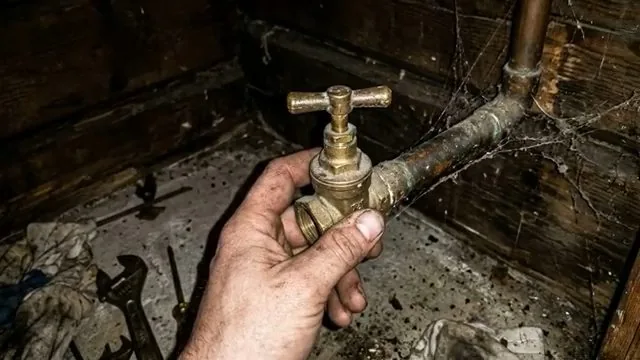
Old shutoff valves and supply stops belong to the same problem. A brass valve that has not been turned in decades may not close fully, or may start to leak the first time it moves. That is why the valves are replaced along with the pipe instead of reconnecting new lines to old hardware.
What PEX Pipe Installation Involves, Room by Room
PEX is flexible plastic tubing that bends around corners instead of needing a joint at every turn. A repipe usually runs a main line from the water meter or main shutoff to a manifold or branch point, then separate lines out to each bathroom, the kitchen, the laundry and the water heater. Fewer joints inside the walls means fewer places for a future leak to start.
The work is planned one room at a time: which walls will be opened, where each new line will run and which fixtures get new shutoff valves. Before the old pipe comes out, each fixture is identified so nothing is left on the old system by mistake, and every new run is pressure-tested before it is covered.
- Main line and shutoff replaced first, so the rest of the house can be isolated
- Bathroom, kitchen and laundry lines run to their own shutoff valves
- Water heater connections renewed at the same visit
- Old lines capped or removed so no dead branches stay behind the walls
How Walls Are Opened and Closed During a Repipe
A repipe does open walls, and anyone who says otherwise is not describing the job honestly. Most of the work goes through small access openings at fixtures, in closets, through the attic and through floor and ceiling cavities, so the house is not gutted. Openings are cut to keep patches small. Ask what the quote includes for drywall repair and paint, because those are often separate trades.
A single-story home with attic access is usually simpler than a two-story home where lines must be fished through finished walls. That difference is one reason the price range is so wide.
Homes on a concrete slab are a special case. Instead of breaking the slab, new lines are often rerouted overhead through the attic and walls, the same approach used for slab leak rerouting when the old lines run under the foundation. Bedford sits on expansive clay that swells and shrinks with the seasons, and that movement is hard on pipes under a slab, so keeping new lines out of the ground makes sense.
Living in the House While the Pipes Are Replaced
Water to the house is shut off while old lines are cut out and the new ones are tied in. Ask for the shutoff plan before work begins. Whether water comes back each evening depends on the house, the number of bathrooms and how the work is phased, so get the answer in writing instead of assuming it.

Plan for temporary arrangements on the days the water is off, including showers, cooking and laundry. Move furniture and wall hangings away from walls that will be opened, and tell us about pets, children and work-from-home hours so the schedule fits your household. If an old line has already failed and flooded a room, water damage cleanup and drying comes first, and the repipe follows once the space is dry.
What Whole-House Repiping Costs in Bedford
Whole-house repiping (PEX) in Bedford typically runs $4,500 to $11,000. The range is wide because the price moves with three things: the home's square footage, the number of bathrooms, and whether drywall access is simple, as in a single-story home, or difficult, as in a two-story home with finished walls.
That range is general to Bedford and is not a quote for any property. See ranges for every service on the cost guide, then call for a walk-through before anyone gives you a number for your own house.
Repipe or Repair: How to Decide for Your House
Use the history of the pipes, not one leak, to decide. A repair makes sense when the failure is a single event, such as a freeze split, a worn fixture connection or one damaged section in otherwise sound pipe. A repipe makes sense when failures repeat, when water quality has changed or when the pipe material itself is known to fail.
- One leak and sound pipe elsewhere: repair it and move on
- Two or more leaks in the same system within a couple of years: ask about repiping
- Polybutylene or heavily rusted galvanized pipe, even with no leak yet: plan the repipe
Work in two steps. First, have the system tested so the decision rests on what is actually wrong. Then compare a partial repipe of the worst branch against the whole house, because a partial repipe can be enough when only one bathroom group is failing.
What Repiping Does Not Cover
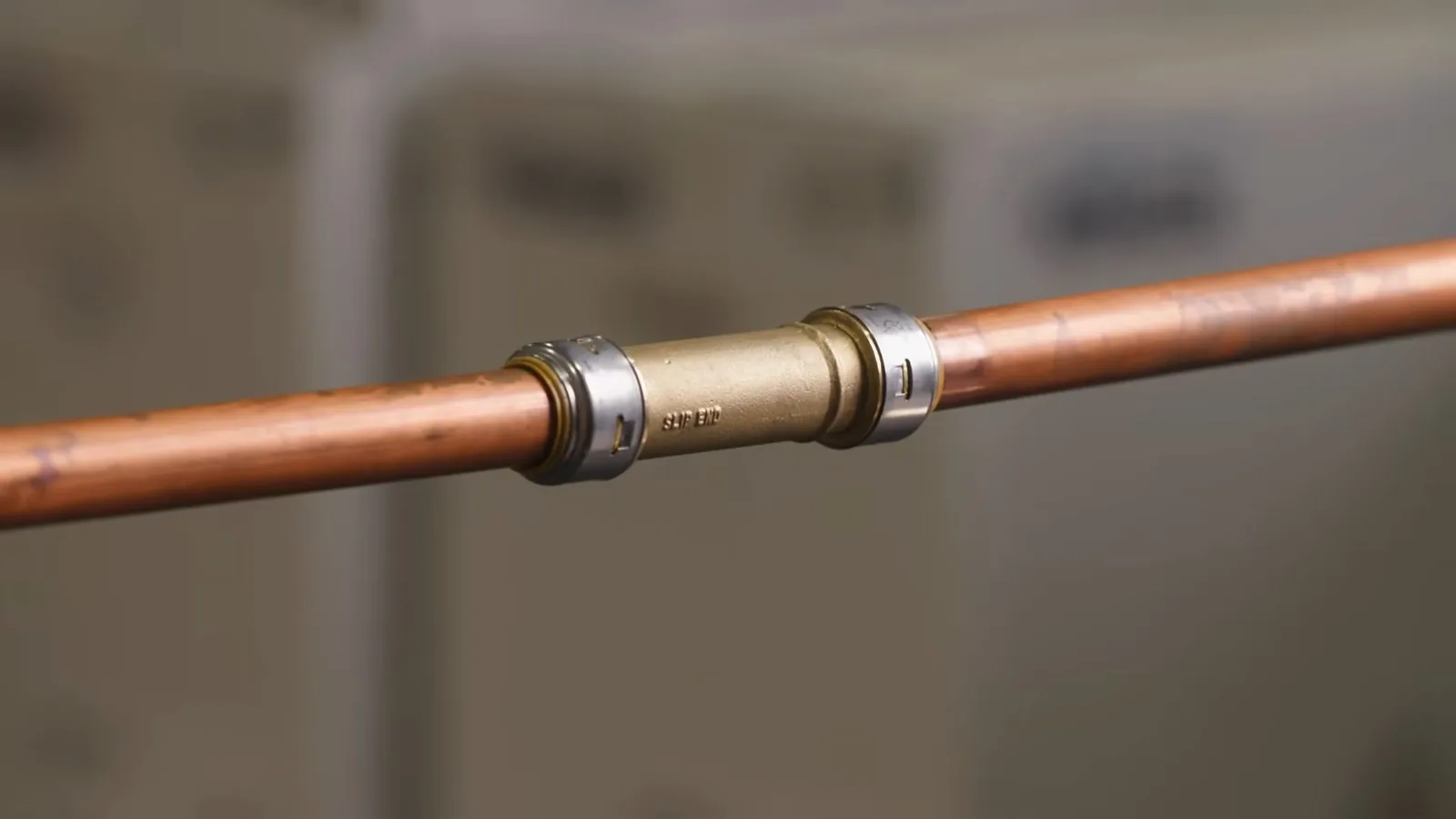
This page covers replacing the water supply lines throughout a home. It does not cover a single burst or cracked pipe, a hidden leak that has not been located yet or the drain side of the plumbing. Drain and sewer lines that are cracked or root-damaged are handled separately, and lining the drain side is covered on its own page.
Permits, Inspections and Closing Up the Walls
Ask the City of Bedford building department whether a permit and inspection apply to your repipe before work starts. Walls should not be closed until any required inspection has been passed.
Before the walls close, the new system is pressure-tested, every fixture is checked and each shutoff valve is confirmed to close. You should see the test result and be shown where the main shutoff is, so you know how to stop the water if anything ever goes wrong.
Planning a repipe in Bedford?
Call and describe what the pipes have been doing. We will tell you whether a repair or a full repipe fits your house.